
Ingredients
Method
Preparation
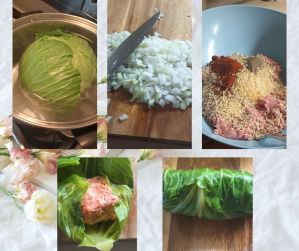
Before stuffing, the cabbage leaves must be softened. This step is essential, as it makes the leaves flexible and easy to fold around the filling. Begin by removing the core of the cabbage — either cut it out completely or carve around it in a circle so the leaves can separate easily. Place the whole cabbage into boiling water. Check the leaves as they cook: if they bend easily, they are ready; if they remain firm, continue simmering. The leaves are usually perfect after about 10 minutes.Prepare the Filling
In a mixing bowl, combine the ground meat, egg, Hungarian ground pepper, salt, black pepper, and rice. Mix thoroughly. Finely chop the onion and sauté it in olive oil until translucent. Remove from the heat, sprinkle with paprika, and let it cool slightly before adding it to the meat mixture. Stir well to create a uniform filling.Assemble the Rolls
Trim the thick veins from the cabbage leaves. Place a portion of the filling along the wider end of each leaf, then roll it up tightly, folding in the sides to secure the filling.Cook the Cabbage Rolls
Place a layer of sauerkraut on the bottom of a large pot. Arrange the cabbage rolls neatly on top, then add the remaining sauerkraut over them. Pour in just enough water to cover — no more. Add a few bay leaves, cover, and simmer gently over low heat for 3 to 4 hours.These cabbage rolls are absolutely divine when served with a generous spoonful of sour cream.
Sometimes I skip bay leaves. The cabbage is will be perfect without too.
Don’t overfill the leaves: A small handful of filling is enough. Overstuffed rolls burst during cooking.
Trim the thick veins: Removing the tough center rib helps the leaf roll smoothly and prevents cracking.
Tuck the sides tightly: This keeps the filling inside and creates neat, uniform rolls.
Flavor the cooking liquid: Use a pinch of salt or a spoonful of tomato puree can also deepen the flavor.
Let them rest: Cabbage rolls taste even better the next day as the flavors meld.
Serve with sour cream: A generous spoonful adds richness and beautifully balances the paprika.
If you add sauerkraut, you should definitely taste it, because the sour taste can be too intense. In this case, you should add sugar to the pot.
Nutrition
Notes
Cabbage softness matters:
The leaves should be soft and flexible, so they wrap tightly without tearing. If a leaf feels stiff or resistant, simply return it to the hot water for another minute or two until it becomes pliable. Choose the right cabbage:
A medium, compact head of cabbage works best for rolling. Savoy cabbage is also an excellent choice, as its leaves soften quickly and are naturally easy to work with. Paprika quality:
Hungarian paprika is one of my absolute favorite ingredients. Not just any paprika, but the real kind from the regions of Kalocsa and Szeged. Once you taste it, you’ll understand why it’s so loved. I use Kalocsai paprika — true pepper from Kalocsa — because I trust its quality, rich color, and deep, warm aroma that makes every Hungarian dish feel like home. Rice type:
Use uncooked long‑grain rice. It cooks gently inside the rolls and absorbs all the delicious juices, giving the filling a perfect texture. Layering the pot:
Place any torn or leftover cabbage leaves at the bottom of the pot. This creates a natural cushion that helps prevent sticking and burning. Low and slow:
The long, gentle simmer is what makes the rolls tender and deeply flavorful. Don’t rush this step — the slow cooking is where the magic happens. Skip the sauerkraut if you wish; your cabbage will be delicious without it